Finding a UK business’s VAT number isn’t rocket science. You’ll usually spot it on invoices, official company letters, or the footer of the company’s website, or if you’re in a hurry, use HMRC’s online VAT checker or the EU VIES tool when it applies.
If your supplier is VAT-registered, the fastest way is to check their invoice or use HMRC’s online checker to see the number, name, and address. That’s pretty much the gold standard.
If you can’t find the number on the paperwork, just ask the business directly. Once you get it, double-check using HMRC or VIES to be safe.
How to Find a Business VAT Number in the UK
Check Official VAT Invoices and Receipts
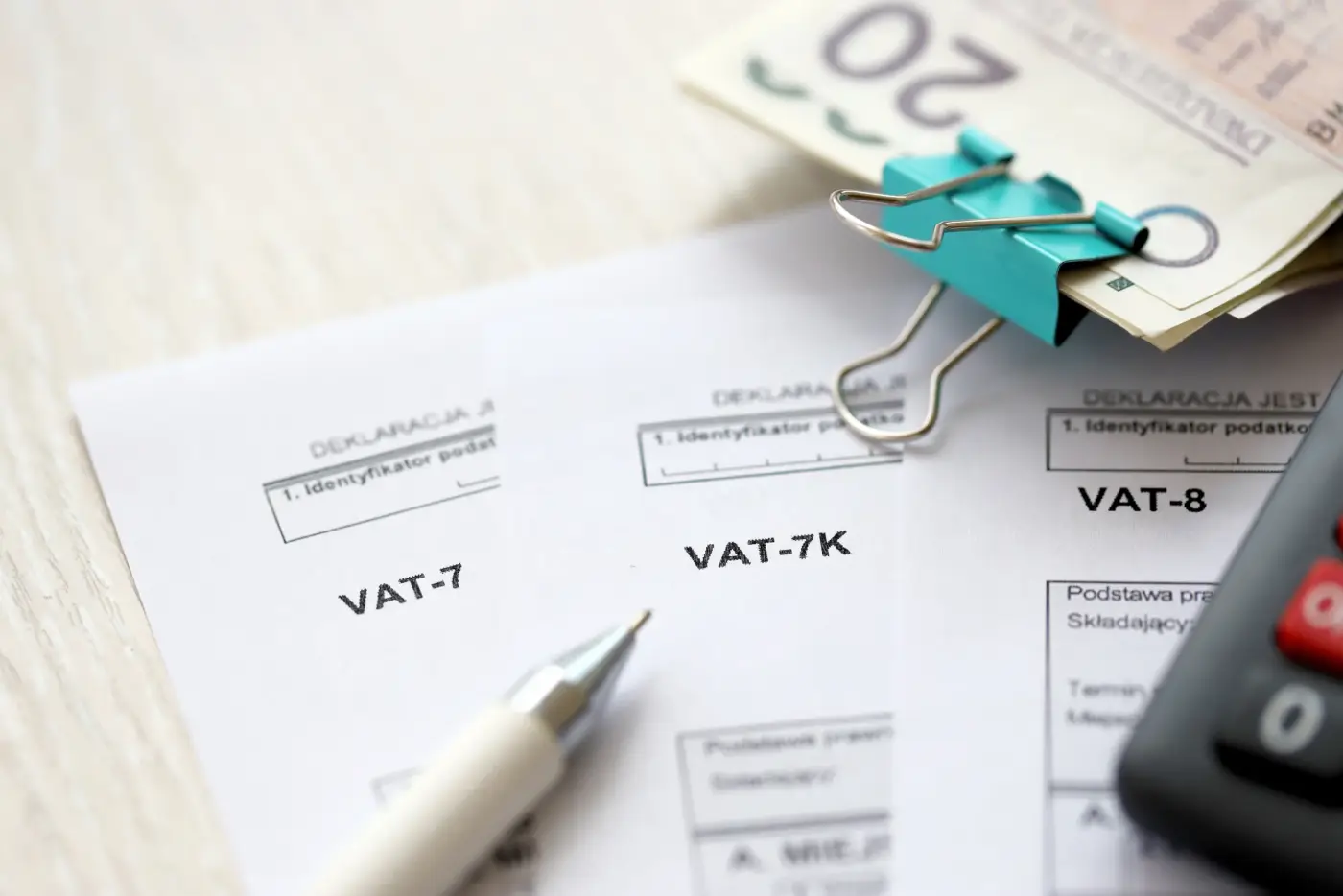
Start with any invoice the business sent you. UK companies have to put their VAT number on VAT invoices and credit notes for taxable supplies.
The invoice should show the supplier’s full trading name, address, VAT registration number, and the VAT rate or amount for each line. If you need the number for accounting or VAT reclaims, save a copy of the invoice.
If an invoice is missing a VAT number, ask for a corrected one. Missing or wrong VAT numbers can mess up VAT reclaims; nobody wants that headache.
Search on Business Websites and Company Correspondence
Check the business’s website footer, ‘About’ page, or legal notices. Under UK law (the E-Commerce Regulations), any VAT-registered business with a website is legally required to display its VAT number clearly on its site.
Peek at email signatures, contracts, delivery notes, and order confirmations too. These often have the VAT number and business address.
If it’s a limited company, you can check Companies House filings for the registered office, then compare with what’s on the site. Not every business is VAT registered, though, so sometimes there just isn’t a number.
Use the HMRC Online VAT Number Checker
Hop onto HMRC’s free VAT number checker at gov.uk to confirm a VAT number and see the business name and address. Enter the VAT number exactly as it appears; tiny mistakes can trip it up.
If you’re VAT-registered yourself, you can use the checker to get a timestamped record (you’ll need your own VAT number). If the checker says the number’s invalid, don’t use it on invoices or VAT returns. Better to pause, ask the supplier for clarification, and get a valid number before you go any further.
Contact the Business Directly
If you’re still coming up empty, just call or email the supplier and ask for the VAT number. Request a VAT invoice that shows the VAT registration number and business address.
Getting it in writing is smart; you’ll have a record for your accounts or VAT claims. If the business can’t or won’t give you a VAT number when you expect one, maybe hold off on VAT-sensitive payments and check with your accountant or HMRC.
Verifying and Checking Business VAT Numbers
You can confirm a VAT number fast using official online checkers, or call HMRC if you’re stuck. Use the HMRC tool for UK numbers, VIES for EU checks, and the HMRC helpline if things get murky.
How to Use the HMRC VAT Number Validation Tool
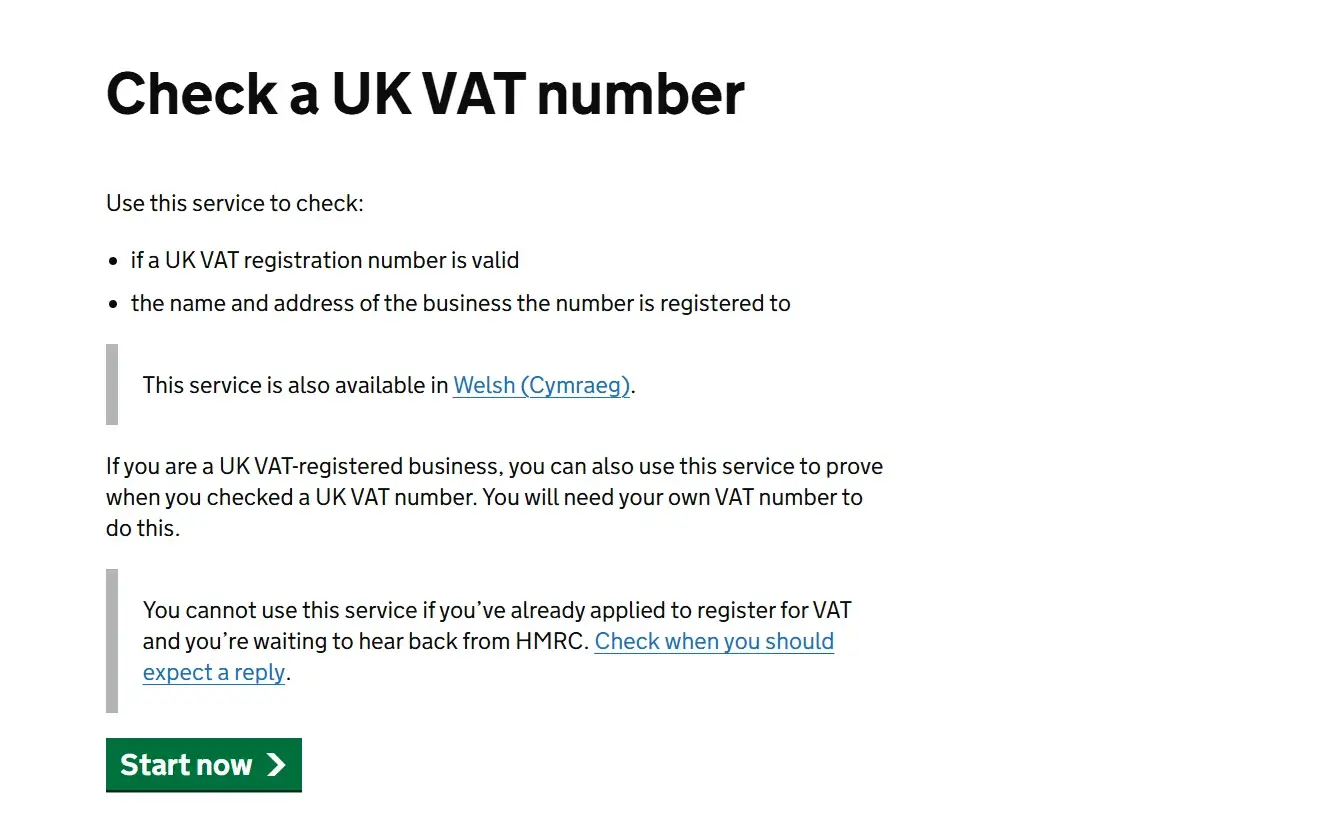
Use the GOV.UK VAT checker to confirm a UK VAT number and see the business name and address. If you want proof, you’ll need your own VAT number for a timestamped check.
Type the VAT number exactly as it shows on invoices. The tool tells you if the number’s live and gives you the official details. If you get a weird result, call the HMRC VAT Helpline (0300 200 3700) to double-check. It’s smart to save a screenshot or a copy of the result for your records.
Validating VAT Numbers for EU and International Companies
For EU businesses, use the European Commission’s VAT Information Exchange System (VIES). VIES tells you if an EU VAT number is valid for cross-border trade and helps you apply the reverse charge right.
Enter the country code and number exactly; some formats are case-sensitive. VIES isn’t a central database, so it depends on national systems and sometimes goes down. If VIES can’t find a match, ask the supplier for proof or check their national tax site. For non-EU VAT stuff, check the country’s tax authority site or ask a pro.
Checking If a Company Is VAT Registered
You’ll usually find a company’s VAT number on invoices, tax returns, or their website. If it’s missing, ask the supplier for their VAT registration details or a copy of their VAT certificate.
To confirm registration: use the HMRC VAT checker for UK businesses, VIES for EU companies, or call HMRC.
Save proof of your cheques, screenshots, emails, whatever, in case HMRC ever asks. If a company isn’t VAT registered but charges VAT, report them to HMRC.
Frequently Asked Questions
How to find a company’s VAT number?
Check the business’s invoice or receipt first; UK law says VAT-registered companies have to show their VAT number on invoices. Look at the website footer, contact or legal pages, and on letterheads or quotes.
If you’re a customer, ask the supplier for their VAT registration certificate. Sometimes trade directories and accountancy software list VAT numbers too, though don’t trust them blindly.
What is the process for verifying if a business is VAT-registered?
Use the UK government’s VAT number check service to confirm a UK VAT number and see the business name and address. You’ll need your own VAT number if you want to record when you checked.
For EU cross-border checks, use the VIES system. Save a screenshot or reference ID from the cheque, just in case.
Where can one validate a company’s VAT number through the VIES system?
Head to the European Commission’s VIES website and punch in the company’s member-state code and VAT number. You’ll see if the number’s valid and often the business name too.
VIES only covers VAT numbers from EU countries. For UK numbers, stick with HMRC’s online service.
How to find out if a company is VAT registered?
Look for the VAT number on the company’s invoices, T&Cs, and legal notices. If you don’t see it, just ask the company for their VAT certificate or number.
Once you have the number, use HMRC’s checker (or VIES for the EU) to confirm it’s legit.
Can a VAT number be obtained through a list of VAT-registered companies?
There’s no single public master list for all VAT-registered businesses you can download. Some trade associations or industry directories publish lists with VAT numbers, but coverage is spotty.
Always double-check any number you find using HMRC or VIES before you rely on it for tax or accounting. Better safe than sorry.
How does one differentiate between an EIN and a VAT number for a business?
An EIN (Employer Identification Number) is a US federal tax ID. People use it for US businesses and payroll reporting.
A VAT number, on the other hand, identifies businesses for value-added tax on goods and services in the UK, EU, or other countries with VAT systems.
If a business trades in the UK or EU, just ask for its VAT number. For companies operating only in the US, you’ll want the EIN instead.
Use the right national system to check each number. It’s not always straightforward, but that’s the gist.