Latest Posts

Employment Allowance 2026/27: £10,500 NI Claim Guide
Employer NI now costs you 15% on every pound of pay above £5,000 a year, per employee. For a business with a handful of staff, that adds up to hundreds of pounds a month before you have paid a single wage. And yet there is a relief sitting on the table worth up to...

Partnership Business Advantages and Disadvantages: A Complete UK Guide
Going into business with someone you trust can feel like the obvious next step. You bring one set of skills. They bring another. You split the workload, put your resources together, and build something neither of you might have tackled alone. And when it works, a...

Best Business Bank Accounts in the UK: 7 Top Picks for 2026
Picking a business bank account is one of those first jobs when you set up a company. The right account can save you time and money as you grow. You've got plenty of options, from high street banks to digital newcomers. Each one comes with its own set of features,...

Statement of Financial Position: The Complete UK Guide for 2026
Every UK limited company needs to prepare and file one annually with Companies House. The statement of financial position reveals your company's complete financial health by listing your assets, liabilities, and equity in a legally compliant format. Whether you're a...
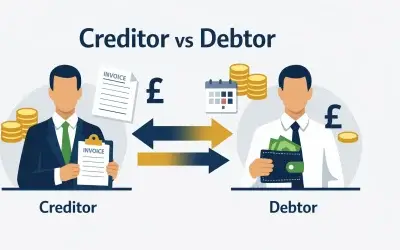
What Is the Difference Between Creditors and Debtors? Explained for Business Owners
Borrowing money or buying something on credit means you enter into a financial relationship that impacts how you run your business on a day-to-day basis. This is a reality for anyone from sole traders starting to run established limited companies. Credit is...

How to Set Up Your Personal Tax Account With HMRC: A Clear Step-by-Step Guide for UK Taxpayers
What Is a Personal Tax Account? A Personal Tax Account is a free and secure online service from HM Revenue and Customs (HMRC). You use it to manage your tax details in one place. It works as your online tax dashboard. After you sign in through Government Gateway,...

What Are RTI Submissions? HMRC Late-Filing Penalties
HMRC does not send reminders. It sends penalty notices, and most small business owners do not realise they have been fined until a letter lands on their doormat weeks after the deadline has passed. RTI stands for Real Time Information, and it is how every UK employer...

How to Set Up Payroll for the First Time: UK Small Business Guide
Your first employee's start date is confirmed. Before they can be paid, you need a working payroll system in place, and HMRC expects you to have registered as an employer, often weeks before that first payday even arrives. Setting up payroll for the first time...

Construction Accounting: A Practical Guide
Running a construction business isn't for the faint-hearted. Your money never seems to move in a straight line. You buy materials one week and pay subcontractors the next, and then you’re stuck waiting for stage payments at month’s end. And sometimes, you’re still...

What Is Property Accounting? A Complete Guide for Real Estate Success
Managing property finances isn’t just about collecting rent and paying bills. Property accounting means recording, tracking, and analysing every financial transaction tied to real estate, rental income, expenses, capital improvements, and tenant obligations, all...

Explaining Advantages and Disadvantages of Public Limited Company
A public limited company (PLC) is a legal structure that permits you to offer shares to the general public, though it is not automatically listed on a stock exchange. This business structure brings unique benefits and challenges that can really shape your company's...

How Much Is Corporation Tax for a Limited Liability Company? UK Guide
If your company pulls in profits under £50,000, you pay corporation tax at 19%. When profits climb over £250,000, the rate jumps to 25%, and anything in between gets a tapered rate thanks to marginal relief. You’ll find clear steps below on working out taxable...

Employer National Insurance 2026/27: 15% Rate Guide
The employer NIC rate jumped from 13.8% to 15% in April 2025. At the same time, the Secondary Threshold, the point where you start paying NIC on an employee's wage, dropped from £9,100 to £5,000. Both changes carry straight into the 2026/27 tax year without any...

Small Business Bookkeeping: A Practical UK Guide
Running a small business means juggling sales, expenses, and paperwork, sometimes all at once. Small business bookkeeping is about recording every payment in and out of your business, so you always know where your money stands. Getting this right keeps you compliant...

Construction Industry Scheme (CIS) for Contractors and Subcontractors
The Construction Industry Scheme is where most contractors and subcontractors lose money or fall foul of HMRC, usually because the rates, deadlines and reliefs are never explained plainly in one place. You get deductions taken from your invoices, you file monthly...
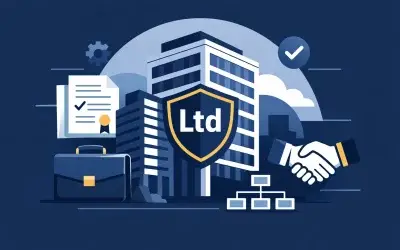
Explaining What a Limited Company Is: A Business Structure Guide
A limited company in the UK is set up as its own legal entity. The company can own property, sign contracts, and get sued on its own; you don't have to put your name on the line. There are two common types you'll see: Private company limited by shares (Ltd): Owners...
Where to Find a Business VAT Number: Essential UK Guide
Finding a UK business’s VAT number isn’t rocket science. You’ll usually spot it on invoices, official company letters, or the footer of the company's website, or if you’re in a hurry, use HMRC’s online VAT checker or the EU VIES tool when it applies. If your supplier...